What Does a Gurgling Drain Mean in a Raleigh Home
Hearing a gurgling drain in your Raleigh home? Learn what causes drain noise, the risks of blocked vents or main lines, and when to call a plumber.
What Does a Gurgling Drain Mean in a Raleigh Home?
If you turn on your bathroom faucet, flush the toilet, or run the washing machine in your Raleigh home and hear a strange gurgling, bubbling, or glug-glug sound coming from your pipes, your plumbing system is sending you an early warning signal.
A gurgling drain is never just an annoying noise; it is a physical reaction caused by trapped air and negative pressure inside your drainage or vent system. Whether you live in a historic bungalow in Five Points, a mid-century home in North Raleigh, or a newer build in Brier Creek, gurgling drains indicate that wastewater is struggling to flow freely through your pipes.
Ignoring a gurgling sound often allows a minor airflow restriction to escalate into an expensive sewer line backup, damaged pipe joints, or indoor water damage. Understanding what causes drain noise, recognizing the warning signs, and knowing when to seek professional plumbing help can save you thousands of dollars in emergency repairs.What Does a Gurgling Drain Mean in a Raleigh Home
What Is a Gurgling Drain?
In simple terms, a gurgling drain occurs when air is forced through standing water inside your plumbing traps, creating a bubbling or glugging sound.
To understand why this happens, it helps to know how a home drainage system works:
[ Sink / Toilet / Tub ]
          │
      (P-Trap) <── Holds standing water to block sewer gas
          │
   [ Drain Pipe ] ───────> [ Plumbing Vent Stack ] (Exits through roof)
          │
  [ Main Sewer Line ] ────> [ Raleigh Municipal Sewer / Septic ]
Every fixture in your Raleigh home—sinks, toilets, showers, and tubs—is connected to a curved pipe beneath the drain called a P-trap. This trap holds a small amount of standing water at all times to prevent foul-smelling, health-hazardous sewer gases from entering your living spaces.
When your drainage system is functioning properly, air moves smoothly behind the wastewater through your plumbing vent stack (the pipes that extend up through your roof). This vent balances the air pressure within the line, allowing water to flow downhill under the force of gravity without resistance.
When a block or restriction forms in either the drain line or the vent stack, a pressure imbalance occurs:
-
Negative Pressure (Vacuum Effect): As water rushes down the pipe, it pulls air behind it. If the vent stack is clogged, the water creates a vacuum that sucks air through the P-trap, producing a loud gurgling sound as the water barrier breaks.
-
Positive Pressure (Displacement Effect): If wastewater hits a partial clog further down the main line, the air ahead of the rushing water has nowhere to go. It forces its way back up through the nearest P-trap, bubbling up through standing water.
Common Situations Where Gurgling Occurs
-
The Toilet Bubbles When You Run the Bathroom Sink: Indicates a shared branch line clog or a vent blockage serving that specific bathroom group.
-
The Kitchen Sink Gurgles When the Dishwasher Drains: Points to food debris or grease buildup in the kitchen branch drain or garbage disposal connection.
-
The Shower Drain Glugs When You Flush the Toilet: A classic symptom of a mainline restriction or sewer line backup developing beneath the foundation or in the front yard.
-
The Washing Machine Causes Washing or Bathroom Drains to Make Noise: High-volume discharges from washing machines push large quantities of water rapidly, exposing venting restrictions or main line buildup.
Why Does This Plumbing Problem Happen in Raleigh Homes?
A gurgling drain can stem from local environmental conditions, aging infrastructure, or routine fixture usage.
       ┌────────────────────────────────────────────────────────┐
       │             COMMON CAUSES OF DRAIN GURGLING            │
       └────────────────────────────────────────────────────────┘
                                   │
         ┌─────────────────────────┼─────────────────────────┐
         ▼                         ▼                         ▼
  [ LOCAL FACTORS ]        [ MAINLINE ISSUES ]       [ SYSTEM VENTING ]
  • Tree Root Invasion     • Grease & Fat Buildup   • Leaves/Nests in Vents
  • Raleigh Red Clay Soil  • Foreign Objects        • Broken Vent Pipes
  • Aging Cast Iron/Tile   • Sagging / Bellied Pipe • Missing Vent Caps
1. Blocked or Clogged Plumbing Vent Stacks
Your plumbing vents exit through the roof to equalize system pressure. In Raleigh, natural debris frequently blocks these roof stacks:
-
Pine Needles and Acorns: Raleigh’s dense canopy of Loblolly pines and Oak trees regularly drops needles, small twigs, and acorns directly down uncapped vent pipes.
-
Nesting Animals: Birds, squirrels, and wasps often build nests in or over roof vents during spring and summer months.
-
Leaves and Atmospheric Debris: Heavy autumn foliage can blanket roof caps, choking off the air intake needed for smooth drainage.
When the vent stack is restricted, every time water drains from a fixture, it pulls air through the nearest P-trap instead of drawing air from the roof.
2. Local Tree Root Intrusion in Sewer Lines
Raleigh is known as the "City of Oaks," but those mature trees—along with Maples, Willows, and Crape Myrtles—possess aggressive root systems. Roots naturally seek out moisture and nutrients, creeping into microscopic cracks, loose joints, or aging clay and cast iron sewer pipes. Once inside, the roots thrive, creating a natural web that traps toilet paper, hair, and solid waste. This partial line restriction causes air pockets to force their way backward, producing gurgling noises across multiple fixtures.
3. Aging Pipe Materials and Raleigh Red Clay Soil
Many established Raleigh neighborhoods—such as Historic Oakwood, Mordecai, and Hayes Barton—feature homes built with older cast iron, galvanized steel, or vitrified clay sewer pipes.
-
Cast Iron Scaling: Over decades, interior cast iron pipes corrode and develop rough mineral scale, catching debris and narrowing the pipe diameter.
-
Soil Movement: Raleigh’s rich red clay soil expands when wet and contracts during dry spells. This constant ground movement causes older terra cotta or clay pipe sections to shift, crack, offset, or form "bellies" (sagging sections where standing water collects and traps air).
4. Grease, Fats, and Oils (FOG) Accumulation
In kitchen lines, pouring cooking oil, bacon grease, or fatty food remnants down the drain or disposal creates a sticky lining along the interior wall of the pipe. Over time, grease hardens, catching coffee grounds and solid particles. As the passage narrows, air gets trapped behind draining water, resulting in loud gurgling in the kitchen sink.
5. Flushing Non-Flushable Items
Flushing items not designed to dissolve rapidly in water is a leading cause of drain line blockages:
-
"Flushable" wipes (which do not break down like toilet paper)
-
Feminine hygiene products
-
Paper towels and heavy shop rags
-
Dental floss and cotton swabs
These items collect at pipe elbows and structural imperfections, catching solid waste and slowing wastewater flow enough to push air bubbles back up into the bathroom fixtures.
6. Sewer Main Line Backups and Municipal Surges
During heavy summer rainstorms in Wake County, municipal storm systems and combined sewer lines experience sudden influxes of rainwater. If your mainline backwater valve is failing, or if the main line in the street experiences temporary pressure spikes, trapped air and rising wastewater will push back toward your home's lowest drains, causing low-lying shower stalls, floor drains, or basement fixtures to gurgle loudly.
Signs You Should Never Ignore
A gurgling drain rarely stays a minor issue for long. Watch for these related warning signs:
┌─────────────────────────────────────────────────────────────────┐
│                    DRAIN SYSTEM WARNING SIGNS                   │
├───────────────────────────────┬─────────────────────────────────┤
│ WARNING SIGN                  │ WHAT IT INDICATES               │
├───────────────────────────────┼─────────────────────────────────┤
│ Multiple Gurgling Drains      │ Main sewer line or main vent    │
│ Slow Draining Water           │ Developing physical blockage    │
│ Sewage / Rotten Egg Smell     │ Dry P-trap or main sewer backup │
│ Water Rising in Shower/Tub    │ Lower-level branch line clog    │
│ Frequent Toilet Bubbling      │ Vent stack restriction or root  │
│ Unusually Green Lawn Patches  │ Underground sewer line leak     │
└───────────────────────────────┴─────────────────────────────────┘
-
Multiple Fixtures Gurgling Simultaneously: If flushing the hall toilet causes the master bath shower to glug, or if running the kitchen faucet causes the laundry tub to bubble, the restriction is in a main drain or main vent stack rather than a single local pipe.
-
Slow Draining Water: Water taking several minutes to drop out of a sink bowl or standing ankle-deep in the shower indicates a physical obstruction narrowing the flow capacity.
-
Sewer Odors (Rotten Egg or Hydrogen Sulfide Smell): When negative pressure pulls water out of a P-trap, it breaks the seal that keeps sewer gas out of your home. If you notice a gurgling noise followed by bad smells near a sink or tub, sewer gas is leaking into your living area.
-
Water Rising in Adjacent Fixtures: If running your washing machine causes wastewater to back up into your shower stall or kitchen sink, your branch line is completely blocked down-line from those connections.
-
Soggy Patches or Lush Green Grass in the Yard: If you notice unusually green, fast-growing patches of grass above your underground sewer line in your yard, sewage is likely leaking from a root-damaged or ruptured pipe beneath the soil.
Common Plumbing Issues Related to Gurgling Drains
When a gurgling drain is left unaddressed, it often triggers broader system failures across your property:
                  ┌──────────────────────────────┐
                  │   GURGLING DRAIN (Air Trap)  │
                  └──────────────┬───────────────┘
                                 │ Unaddressed
                                 ▼
         ┌───────────────────────┴───────────────────────┐
         ▼                                               ▼
 [ PHYSICAL BLOCKAGE ]                           [ PRESSURE DAMAGE ]
  • Total Sewer Line Backup                       • Ruptured Pipe Joints
  • Overflowing Toilets & Tubs                    • Broken Fixture P-Traps
  • Indoor Water Damage                           • Sewer Gas Exposure
-
Total Sewer Line Backups: What begins as a small gurgle can turn into a full block, causing raw sewage to back up into low-lying shower pans, basement drains, and toilets.
-
P-Trap Evaporation and Dry Traps: Continuous suction caused by vent blockages siphons the water out of P-traps. Dry traps permit raw sewer gas, methane, and bacteria to move directly into your home.
-
Ruptured Pipe Joints: Repeated positive pressure spikes and standing wastewater stress pipe seals, leading to pinhole leaks, weakened PVC solvent welds, or failed cast iron hubs behind drywall and under subfloors.
-
Structural Water Damage and Mold: Sewage overflows or hidden branch line leaks ruin floorboards, subflooring, joists, and drywall. In North Carolina's humid climate, damp materials breed toxic black mold (Stachybotrys chartarum) within 24 to 48 hours.
Step-by-Step Professional Repair Process
When a licensed plumber investigates a gurgling drain in a Raleigh home, they follow a systematic process to pinpoint and resolve the root cause:
[ Step 1: Video Camera Inspection ]
                │
                ▼
[ Step 2: System Pressure & Vent Check ]
                │
                ▼
[ Step 3: Upfront Diagnostic Estimate ]
                │
                ▼
[ Step 4: Targeted Clearing / Hydro Jetting ]
                │
                ▼
[ Step 5: Post-Clearing Camera Verification ]
                │
                ▼
[ Step 6: Site Cleanup & Sanitization ]
                │
                ▼
[ Step 7: Preventative Maintenance Plan ]
                │
                ▼
( System Fully Restored )
Step 1: High-Definition Video Camera Inspection
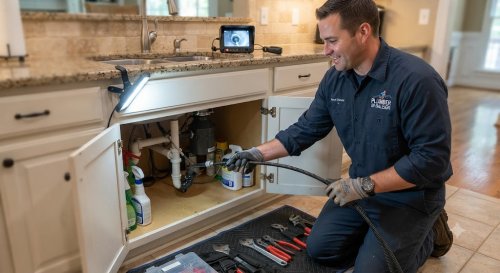
The technician inserts a flexible, fiber-optic camera into your cleanout or drain line. This camera transmits live, high-resolution footage to a monitor, allowing the plumber to locate root intrusions, cracked pipes, offset joints, grease accumulation, or dropped objects without digging up your lawn or tearing into walls.
Step 2: System Pressure and Vent Stack Testing
The plumber inspects roof vent terminals for bird nests, pine needles, or structural collapses. They test air flow through vent lines and verify that air pressure equalizes correctly during fixture discharges.
Step 3: Transparent Diagnosis and Upfront Estimate
Before work begins, the plumber provides an itemized explanation of the root cause, outlining available options—from mechanical cabling to hydro jetting or pipe rehabilitation—along with exact pricing considerations.
Step 4: Targeted Drain Clearing or Vent Clearing
Depending on the diagnosis, the technician applies the appropriate solution:
-
Roof Vent Clearing: Clearing debris from the stack using specialized augers or high-pressure air/water flushes.
-
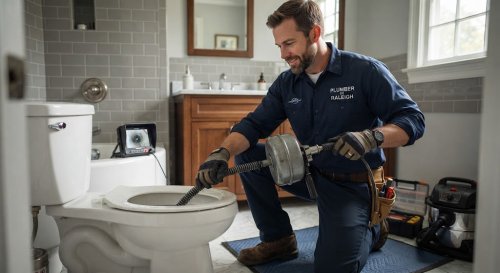
Professional Drain Cabling (Snaking): Utilizing commercial-grade motorized drain augers equipped with flexible steel blades to cut through stubborn solid clogs or minor root strands.
-
Hydro Jetting: Applying high-pressure water streams (up to 4,000 PSI) to scour pipe walls clean, stripping away hardened grease, mineral scale, sludge, and tree roots.
Step 5: Post-Clearing Verification and Flow Testing
The plumber re-inserts the camera camera down the line to confirm the blockage is completely removed and inspect the pipe walls for underlying structural damage. They then run multiple fixtures simultaneously to ensure all gurgling noises have ceased and drainage is restored.
Step 6: Cleanup and Disinfection
Work areas are sanitized, cleanout caps are secured and tested under pressure, and floor mats/booties are removed to leave your home clean.
Step 7: Long-Term Maintenance Guidance
The technician provides personalized advice tailored to your pipe material, tree canopy coverage, and household habits to help prevent future drainage problems.
Can You Fix a Gurgling Drain Yourself?
Homeowners often want to try resolving a gurgling drain before calling a professional. It helps to know what is safe to attempt at home—and what can worsen the problem.
┌──────────────────────────────────────────────────────────────────────┐
│                         DIY VS. PROFESSIONAL                         │
├─────────────────────────────────────┬────────────────────────────────┤
│ SAFE DIY ACTIONS                    │ DANGEROUS / INEFFECTIVE DIY    │
├─────────────────────────────────────┼────────────────────────────────┤
│ • Baking soda + vinegar flush       │ • Pouring chemical drain cleaners│
│ • Hand-plunging a single fixture    │ • Climbing onto steep roofs    │
│ • Cleaning removable P-trap debris  │ • Forcing long metal snakes    │
│ • Clearing visible sink strainers   │ • Ignoring multi-fixture noise │
└─────────────────────────────────────┴────────────────────────────────┘
Safe DIY Actions
-
Clear the Sink P-Trap Manually: Place a bucket under the sink, unscrew the plastic slip nuts on the P-trap, remove hair or soap scum buildup, rinse the pipe thoroughly, and reassemble it tightly.
-
Plunge the Fixture Correctly: Use a cup plunger for sinks or a flange plunger for toilets. Ensure a tight seal over the drain opening, cover overflow holes with a wet rag to maintain suction, and plunge vigorously for 15 to 20 seconds.
-
Natural Flushing Method: Pour 1/2 cup of baking soda followed by 1 cup of white vinegar down the drain. Allow the mixture to fizz for 15 minutes, then flush with hot (not boiling) tap water to loosen minor organic buildup.
Dangerous or Counterproductive DIY Mistakes
-
Using Chemical Liquid Drain Cleaners: Chemical drain openers rely on harsh caustic chemicals like sodium hydroxide or sulfuric acid. These products generate extreme chemical heat inside your pipes. In older Raleigh homes with thin cast iron or aged PVC, chemical drain cleaners can warp plastic lines, dissolve rubber gaskets, corrode metal joints, and splash onto your skin or eyes. Moreover, if a chemical cleaner fails to clear a blockage, your plumber will have to work with a pipe full of corrosive acid.
-
Climbing Roofs Without Fall Protection: Attempting to clear roof vents yourself without professional safety harness equipment or proper ladders carries a high risk of injury.
-
Forcing Cable Snakes into Unknown Blockages: Inexperienced use of rental drain snakes can punch holes through thin, rusted iron pipes, break off cable heads inside lines, or scratch porcelain toilet bowls permanently.
When DIY Stops and Professional Help Is Required
If plunging a single fixture fails to stop the gurgling sound, or if multiple drains in your house are affected at the same time, the problem lies deep within your main drainage or venting infrastructure. Continued DIY efforts can push clogs further down or cause wastewater to back up into other rooms.
Advanced Tools Professionals Use
Modern plumbing diagnostics rely on specialized, non-invasive technology to pinpoint drain issues quickly and accurately:
┌─────────────────────────┬──────────────────────────────────────────────┐
│ PROFESSIONAL TOOL       │ PURPOSE & FUNCTION                           │
├─────────────────────────┼──────────────────────────────────────────────┤
│ Video Camera Systems    │ Real-time internal inspection of line status │
│ Hydro Jetting Units     │ 3,000–4,000 PSI water scouring of pipe walls  │
│ Digital Line Locators   │ Radio-frequency tracking of camera head depth│
│ Pneumatic Test Plugs    │ Isolate sections for pressure testing        │
│ Continuous-Cable Snakes │ Industrial clearing of solid obstructions    │
└─────────────────────────┴──────────────────────────────────────────────┘
-
High-Resolution Inspection Cameras: Waterproof cameras equipped with LED lights and transmitters deliver real-time visual inspection of pipe interior walls, identifying the exact distance and nature of any obstruction.
-
Radio-Frequency Line Locators: Plumbers use above-ground receivers that pick up signals from the camera head in the pipe. This tells the plumber the precise depth and location of subterranean pipe defects under lawns or slab foundations, preventing unnecessary digging.
-
Commercial Hydro Jetters: High-pressure water jetters blast scours pipe interiors clean using specialized rotating nozzles that slice through heavy root mats, flush out settled sand, and strip oil or grease buildup from pipe walls.
-
Inflatable Pneumatic Test Plugs: These rubber plugs isolate specific drain segments, allowing plumbers to pressure-test isolated line sections and check for hidden leaks or air loss in the vent stack.
How Long Does the Repair Usually Take?
Repair timelines vary based on the root cause and accessibility of the affected line:
┌──────────────────────────────────────────────────────────────────────┐
│                     TYPICAL REPAIR TIMELINES                         │
├──────────────────────────┬─────────────────┬─────────────────────────┤
│ REPAIR TYPE              │ ESTIMATED TIME  │ SCOPE OF WORK           │
├──────────────────────────┼─────────────────┼─────────────────────────┤
│ Simple Single P-Trap     │ 30 - 60 Mins    │ Clear local blockage    │
│ Roof Vent Stack Clearing │ 1 - 2 Hours     │ Clear roof debris/nests │
│ Main Line Cabling        │ 1 - 2.5 Hours   │ Snake main sewer line   │
│ Full Hydro Jetting       │ 2 - 4 Hours     │ Scour entire pipe system│
│ Sewer Trenchless Repair  │ 1 - 2 Days      │ Pipe lining or bursting │
└──────────────────────────┴─────────────────┴─────────────────────────┘
Factors Affecting Repair Duration
-
Cleanout Accessibility: Homes equipped with easily accessible, ground-level exterior sewer cleanouts allow plumbers to begin diagnostics and clearing immediately. Homes lacking cleanouts may require removing a toilet or working from roof vents, which adds setup time.
-
Severity of Root Intrusion: Heavy tree root masses demand multiple passes with specialized cutting heads and thorough hydro jet scours to fully clear the pipe lumen.
-
Pipe Depth and Location: Repairs on lines buried deep under concrete driveways or slab foundations take longer than repairs on shallow lines running through open crawl spaces.
Cost Factors in Plumbing Repairs
Because every plumbing system varies based on age, layout, and wear, fixed repair costs cannot be accurately stated without a physical inspection.
                       ┌───────────────────────────────┐
                       │     COST INFLUENCING FACTORS   │
                       └───────────────┬───────────────┘
                                       │
     ┌───────────────────┬─────────────┴─────────────┬───────────────────┐
     ▼                   ▼                           ▼                   ▼
[ DIAGNOSTICS ]    [ ACCESSIBILITY ]        [ METHOD NEEDED ]   [ TIMING & PERMITS ]
• Camera Scope     • Open Cleanout          • Basic Snake       • Standard Hours
• Pressure Test    • Roof / Crawlspace      • Hydro Jetting     • After-Hours Emergency
• Line Location    • Under Slab / Driveway   • Pipe Repair       • Municipal Permits
Major factors that determine the overall cost of addressing a gurgling drain include:
-
Diagnostic Requirements: Standard visual troubleshooting is simple, whereas video camera inspections and radio-frequency line locating involve specialized equipment and expertise.
-
Method of Clearing Required: Standard mechanical drain cabling is typically faster and simpler than high-pressure hydro jetting or chemical root treatments.
-
Accessibility of Plumbing Lines: Working via an accessible ground-level cleanout takes less time and labor than pulling a toilet, accessing steep roofs, or working inside confined crawl spaces.
-
Emergency vs. Scheduled Service: Resolving a severe main line sewer backup at 2:00 AM on a weekend carries emergency trip charges compared to standard business hours.
-
Structural Pipe Condition: If camera inspection reveals broken, collapsed, or severely offset clay pipes, simple drain clearing won't solve the problem long-term. Fixing the underlying issue may require spot repairs, trenchless pipe lining (CIPP), or full line replacement, which involves additional labor, excavation, and municipal permit fees in Wake County.
Note: Plumbing repair costs vary depending on the severity of the problem, accessibility, materials required, emergency service, property type, and local labor rates.
Hidden Truths Homeowners Should Know
┌────────────────────────────────────────────────────────────────────────┐
│                   REAL-WORLD PLUMBING REALITIES                        │
├────────────────────────────────────────────────────────────────────────┤
│ 1. Small Gurgles pre-date catastrophic backups by days or weeks.       │
│ 2. Chemical openers destroy older metal pipes from the inside out.     │
│ 3. Standard Homeowners Insurance rarely covers unmaintained root damage.│
│ 4. "Flushable" wipes do NOT dissolve like standard toilet paper.      │
│ 5. Tree roots continuously return unless treated or cut out completely.│
└────────────────────────────────────────────────────────────────────────┘
-
Gurgling Is an Early Warning System: Drains do not gurgle without a physical reason. Ignoring quiet glug-glug noises today usually leads to raw sewage backing up into your shower pan within a few weeks.
-
Cheap Temporary Fixes Cause Expensive Long-Term Damage: Relying on chemical drain openers offers a temporary fix that corrodes metal fittings and destroys pipe seals, leading to costly leaks behind walls.
-
Insurance Coverage Exclusions: Standard home insurance policies typically cover sudden, accidental pipe bursts, but they frequently deny claims for damage caused by ongoing neglect, unaddressed tree root intrusion, or poor maintenance.
-
"Flushable" Wipes Are Not Truly Flushable: Municipal water authorities across North Carolina spend millions annually clearing fatbergs and wipe blockages. Wipes catch on rough pipe joints and cause severe main line clogs.
-
Tree Roots Return Annually: Snaking tree roots out of a sewer line cuts back the current growth, but it doesn't stop them from returning. Unless the pipe is permanently sealed, relined, or repaired, roots will grow back through the same cracks within 6 to 18 months.
-
Hard Water Accelerates Drainage Scale: Raleigh water contains mild mineral deposits that build up over decades inside cast iron lines, narrowing the pipe diameter and creating a rough surface that catches debris.
-
DIY Cable Machines Can Twist or Snap: Rental power augers can kink, snap, or twist inside pipes if they hit a solid obstacle, turning a simple clog into a complex extraction job.
-
Delaying Repairs Causes Hidden Structural Damage: Micro-overflows beneath vanity cabinets or behind tub surrounds rot wooden subfloors, ruin ceiling plaster below, and trigger mold growth long before surface wetness is visible.
-
Unsealed Cleanouts Leak Sewer Gas: Damaged or missing cleanout caps allow sewer gases and moisture to escape into crawl spaces, attracting pests and creating lingering odors.
-
Routine Video Inspections Save Money: Scoping your sewer line every 2 to 3 years helps catch root intrusion, pipe sag, or corrosion early, allowing you to address issues before they turn into plumbing emergencies.
15 Common Plumbing Mistakes Homeowners Make
-
Ignoring Minor Drain Noise: Treating a intermittent gurgle as a harmless quirk rather than an early sign of a line restriction.
-
Pouring Grease Down the Sink: Rinsing hot cooking fats, oils, and bacon grease down kitchen drains, where they cool, solidify, and catch debris.
-
Relying on Chemical Cleaners: Using caustic bottle clearers repeatedly, which corrodes aging cast iron and damages PVC solvent welds.
-
Flushing Foreign Objects: Disposing of cotton balls, wipes, paper towels, dental floss, or feminine products down toilets.
-
Over-using the Garbage Disposal: Treating disposals like trash cans by overloading them with fibrous vegetables, potato peels, rice, pasta, or coffee grounds.
-
Hiring Unlicensed or Uninsured Handymen: Allowing uncertified workers to perform main line repairs or vent stack modifications without proper tools, licensing, or permits.
-
Over-Tightening Pipe Connections: Over-torquing slip nuts under sinks, which cracks plastic traps and strips threads, leading to slow water leaks.
-
Skiping Exterior Vent and Cleanout Checks: Neglecting to check roof vent caps or ensuring yard cleanouts remain accessible and capped tightly.
-
Planting Deep-Root Trees Near Sewer Lines: Installing Willows, Maples, or Crape Myrtles near main sewer lines without root barriers.
-
Delaying Main Line Maintenance: Waiting until sewage backs up into living spaces before scheduling professional drain maintenance.
-
Using Too Much Toilet Paper: Flushing massive wads of thick toilet paper at once, especially in water-saving, low-flow toilets.
-
Forgetting to Flush Guest Bath Drains: Allowing infrequently used guest bathrooms or basement showers to sit dry, causing P-traps to evaporate and let sewer gas into the home.
-
Hanging Items from Exposed Pipes: Using exposed copper or PVC pipes in basements or utility closets to hang clothes hangers or storage items.
-
Failing to Install Drain Hair Strainers: Allowing long hair and soap residue to wash freely down shower and tub drains without mesh strainers.
-
Attempting Complex DIY Repairs Without Proper Tools: Trying to clear main line blockages with light-duty hand snakes or makeshift wire coat hangers that can break off inside pipes.
20 Practical Plumbing Maintenance Tips
┌─────────────────────────────────────────────────────────────────────────┐
│                    PREVENTATIVE MAINTENANCE CHECKLIST                   │
├───────────────────────────────────────┬─────────────────────────────────┤
│ ACTION ITEM                           │ FREQUENCY                       │
├───────────────────────────────────────┼─────────────────────────────────┤
│ Clean sink P-traps manually           │ Every 6 Months                  │
│ Flush drains with hot water & baking  │ Monthly                         │
│ soda                                  │                                 │
│ Inspect exterior roof vent terminals  │ Bi-Annually (Spring/Fall)       │
│ Use mesh hair strainers on all tubs   │ Daily                           │
│ Schedule professional camera check    │ Every 2 - 3 Years               │
└───────────────────────────────────────┴─────────────────────────────────┘
-
Perform Monthly Hot Water Flushes: Run hot tap water down every sink and shower drain for 2 to 3 minutes monthly to melt away accumulated soap scum and fat deposits.
-
Use Mesh Hair Catchers: Install stainless steel mesh strainers over all tub and shower drains to catch hair before it enters the P-trap.
-
Dispose of Grease Responsibly: Pour cooking oils and bacon grease into an empty glass jar or metal can, let it solidify, and throw it in the trash—never down the sink.
-
Scrape Dishes Before Washing: Wipe food remnants off plates into the trash can before rinsing them in the sink or loading them into the dishwasher.
-
Keep Garbage Disposals Clean: Grind ice cubes and citrus peels through your disposal monthly to scrub the internal blades and freshen the drain.
-
Maintain Roof Vent Clearance: Trim overhanging tree branches back at least 6 to 8 feet from your roofline to prevent pine needles, leaves, and twigs from falling into vent pipes.
-
Install Vent Stack Caps: Place approved wire mesh vent caps over roof stack openings to prevent birds, squirrels, and wasps from nesting inside.
-
Know Your Main Water Shut-Off Location: Ensure every adult in your home knows where the main water shut-off valve is located and verifies that it turns smoothly.
-
Inspect Exterior Sewer Cleanouts: Check that your yard cleanout pipe stands above ground level and keeps its threaded cap tightly sealed to exclude dirt, debris, and stormwater.
-
Practice Safe Toilet Usage: Teach family members that only human waste and toilet paper should ever be flushed down toilets.
-
Flush Unused Drains Regularly: Run water down basement, guest room, and utility sink drains for 30 seconds every few weeks to keep P-traps full and block sewer gas.
-
Avoid Harsh Drain Chemicals: Use non-corrosive, enzyme-based drain cleaners monthly to break down organic matter safely without damaging pipes.
-
Protect Pipes During Cold Spells: During occasional winter freezes in Raleigh, keep cabinet doors open under exterior wall sinks and let faucets drip slowly to relieve ice pressure.
-
Monitor Water Pressure Levels: Use a screw-on pressure gauge on an hose bib to ensure your home’s water pressure stays between 40 and 65 PSI.
-
Schedule Periodic Root Treatments: If your main sewer line has a history of tree root growth, have a licensed plumber apply safe root-inhibiting treatments every spring.
-
Upgrade Old Galvanized or Clay Pipes: Consider replacing aging clay, galvanized, or orangeburg drain lines with modern schedule-40 PVC during home remodels.
-
Protect Drains During Renovation: Cover open drain pipes with rag plugs or expansion caps during remodeling projects to keep drywall dust, grout, and debris out.
-
Inspect Washing Machine Hoses: Replace rubber washing machine fill and drain hoses every 3 to 5 years with durable braided stainless steel lines.
-
Keep Crawl Spaces Dry and Ventilated: Check crawl spaces seasonally for standing water, damp soil, or sweating pipes that point to hidden drain leaks.
-
Schedule Professional Plumbing Inspections: Book a comprehensive video camera drain inspection every 2 to 3 years to find and resolve minor line defects early.
When Should You Call an Emergency Plumber?
Some gurgling drains point to an immediate plumbing emergency that requires fast attention to prevent major home damage:
┌─────────────────────────────────────────────────────────────────────────┐
│                    EMERGENCY VS. SCHEDULED SERVICE                      │
├────────────────────────────────────────┬────────────────────────────────┤
│ CALL AN EMERGENCY PLUMBER IMMEDIATELY  │ SCHEDULE A REGULAR SERVICE     │
├────────────────────────────────────────┼────────────────────────────────┤
│ • Raw sewage backing up into tubs/sinks│ • Single sink drains slowly    │
│ • Multiple fixtures overflowing at once│ • Occasional quiet gurgle      │
│ • Strong, overwhelming sewer gas smell │ • Slow leak under kitchen sink │
│ • Water rising in toilets when running │ • Minor dripping from a tap    │
│   washing machine                      │                                │
└────────────────────────────────────────┴────────────────────────────────┘
-
Wastewater Backing Up Into Showers or Tubs: Raw sewage flowing into low-lying shower pans or floor drains poses immediate health hazards and requires professional clearing and sanitization.
-
Multiple Fixtures Overflowing Simultaneously: Running the washing machine or flushing a toilet should never cause water to surge into adjoining tubs or sinks. If this happens, your main sewer line is blocked.
-
Pervasive Sewer Gas Odors Inside the Home: Strong methane or rotten-egg smells signal that dry P-traps or cracked vent pipes are letting harmful gases enter your living space.
-
Rapid Uncontrolled Leaks Near Cleanouts or Basements: Standing sewage or dirty water accumulating around indoor cleanouts or basement floors demands immediate containment and emergency drain clearing.
Frequently Asked Questions
Why is my sink making a gurgling sound when I flush the toilet?
This occurs because your toilet and sink share a common drain or vent branch line. When the toilet flushes, it pushes a large volume of water down the pipe rapidly. If the shared vent stack is blocked or the drain line is partially restricted, the rushing water creates a vacuum that pulls air through your sink’s P-trap, producing a gurgling noise.
Can a blocked roof vent cause drains to gurgle?
Yes. Your plumbing system requires air entering through roof vent stacks to balance line pressure and allow water to drain smoothly. If leaves, pine needles, or animal nests block the top of a roof vent stack, draining water pulls air through your indoor fixture P-traps instead, causing bubbling noises.
Will chemical drain cleaners fix a gurgling drain?
No. Chemical drain cleaners are designed to dissolve minor hair and soap clogs near the sink opening. They cannot clear tree roots, main sewer line blockages, or blocked roof vent stacks. Additionally, these harsh chemicals generate extreme heat that can warp plastic PVC pipes, corrode old cast iron fittings, and splash safely onto plumbers during manual clearing.
Is a gurgling drain dangerous to my health?
It can be. While the sound itself is harmless, gurgling indicates that air is being forced through—or pulled out of—your P-traps. If the water barrier inside a P-trap is siphoned dry, hazardous sewer gases containing methane and hydrogen sulfide can flow freely into your home, causing headaches, nausea, and bad odors.
How do plumbers clear tree roots out of sewer pipes?
Plumbers use a combination of video camera inspections, high-torque motorized augers with flexible cutting heads, and commercial hydro jetting. Hydro jetters blast water at 3,000 to 4,000 PSI to slice through root masses and scour the pipe walls clean. Plumbers may also apply non-systemic root-inhibiting chemicals to prevent roots from growing back.
What is the difference between a drain snake and hydro jetting?
A drain snake (cable auger) uses a rotating steel cable with a blade head to puncture and break apart solid clogs or cut a hole through root masses. Hydro jetting uses high-pressure water streams to scour the entire interior wall of the pipe, flushing away grease, scale, sand, and roots to restore the pipe's full internal diameter.
Why does my washing machine cause my bathroom sink to bubble?
Washing machines discharge large volumes of wastewater rapidly via a high-powered pump. If your main drain line or branch line has a partial obstruction, or if the local vent is restricted, the fast-moving water forces trapped air ahead of it, bubbling back up through the nearest fixture P-trap (usually a bathroom sink or tub).